
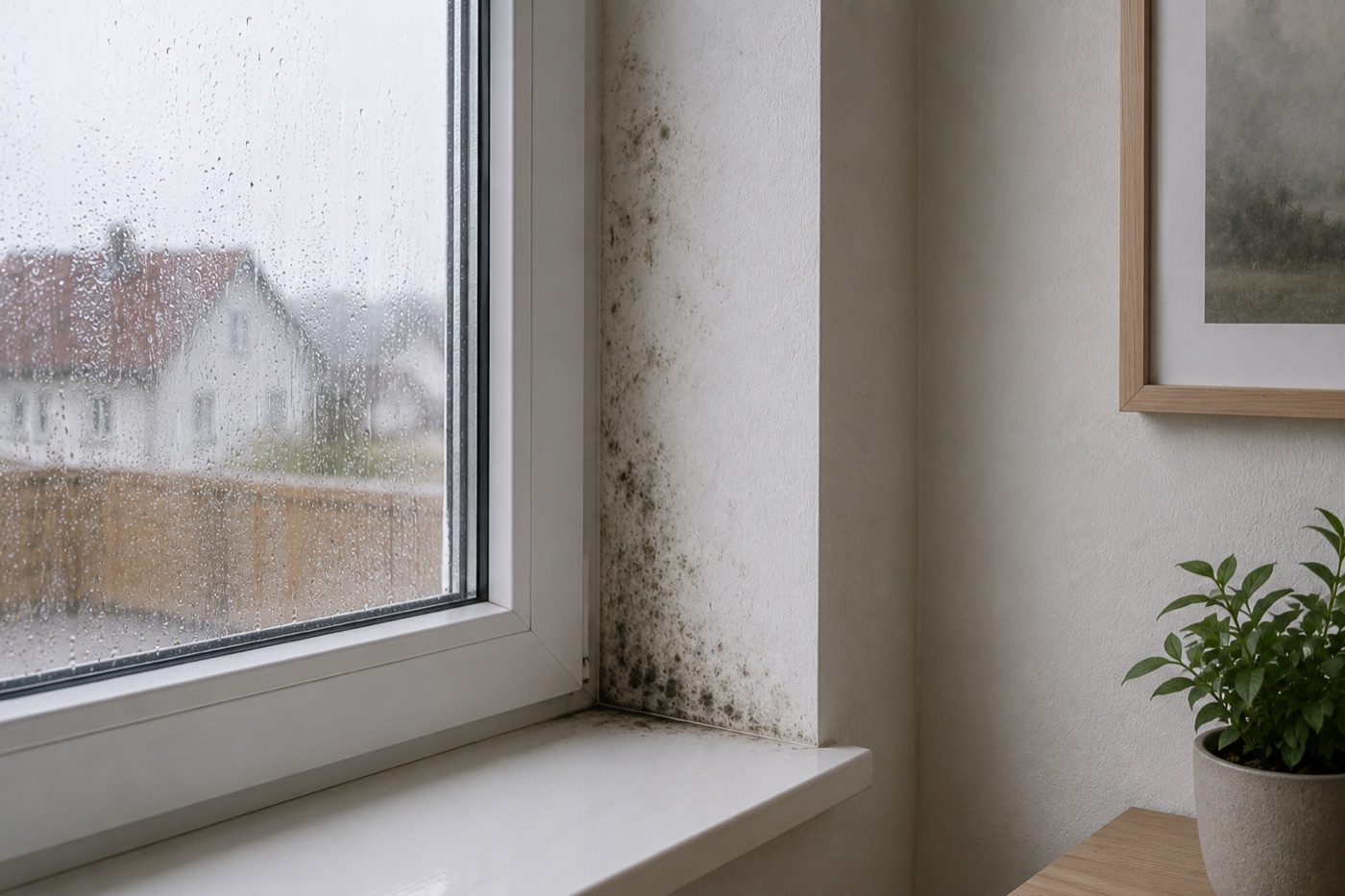
Articles
Damp and air quality problems can have serious effects on both people's health and the condition of a property if they are not dealt with in time. The most common causes are rising damp, condensation, leaks and inadequate ventilation. We provide information, advice and permanent solutions that stop damp problems, prevent mould, improve air quality and create a healthier indoor climate. We specialise in diagnosing and treating damp damage and air quality problems with effective, long-lasting solutions.
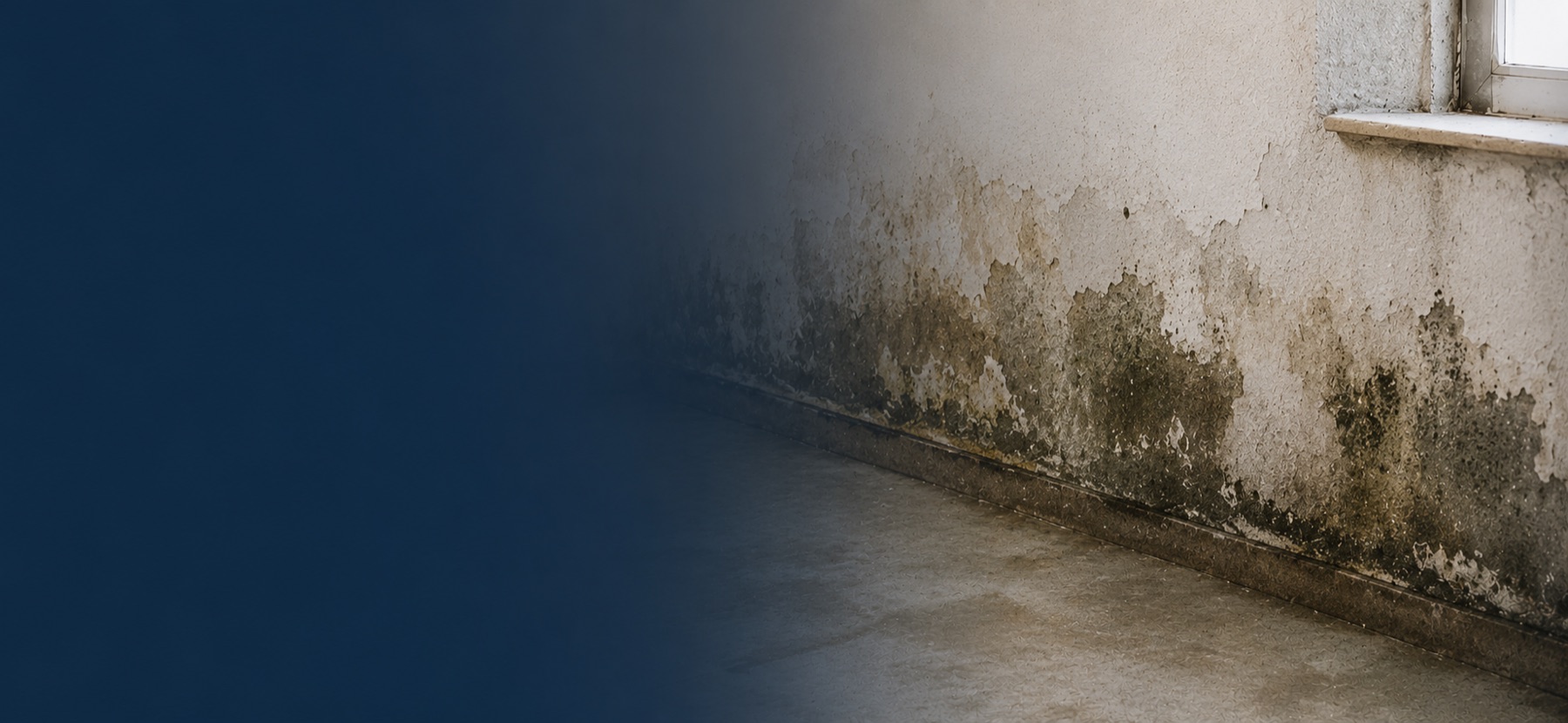
Rising damp – how do you recognise the problem and what solutions are available?
Rising damp from the ground is one of the most common causes of damp problems in Icelandic buildings, especially in older buildings and basements. Although many people associate damp problems with leaks or rainfall, the cause often turns out to be moisture drawn up from the ground into concrete, foundations and walls. Left untreated, this can lead to damp damage, mould and reduced indoor air quality…
Read the article →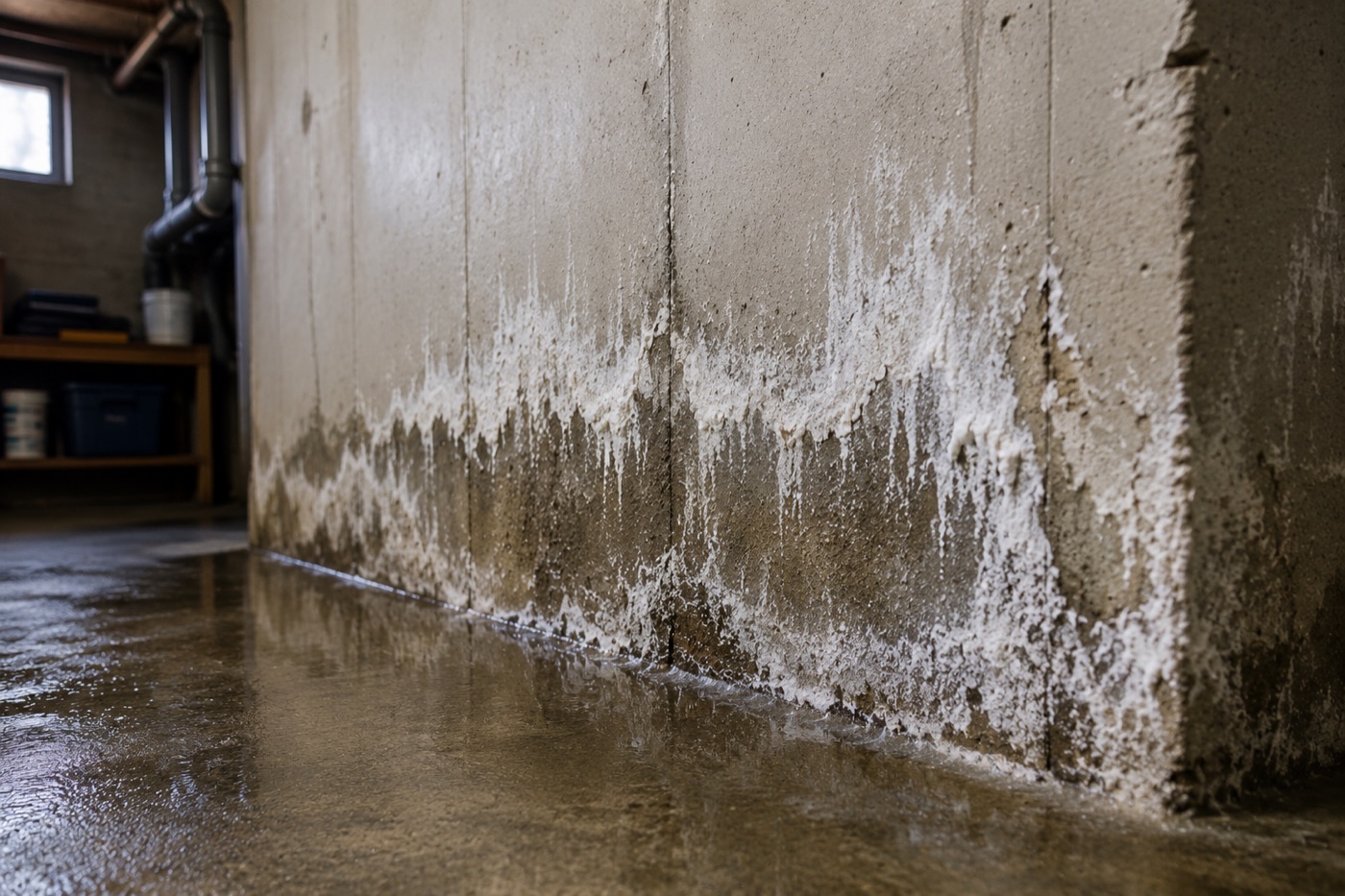
Mould in buildings - symptoms, causes and solutions
Mould in buildings is a more common problem than many people realise. It can form in flats, detached houses, commercial premises and institutions whenever conditions create a favourable environment for mould fungi. Mould is often the first visible sign of an underlying damp problem, so it is important to take it seriously…
Read the article →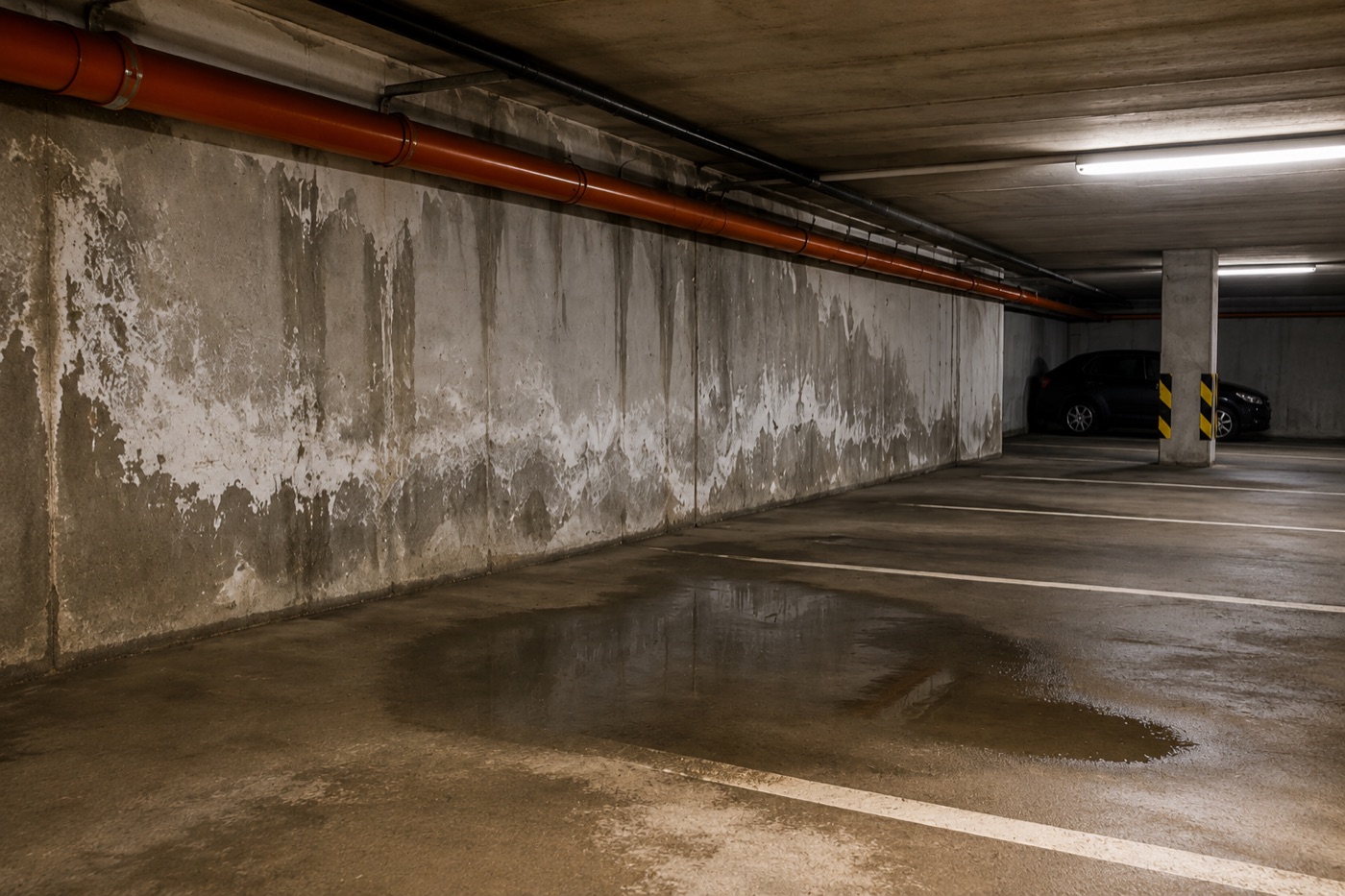
Damp in storage rooms and underground car parks - a common problem in Icelandic buildings
Damp in storage rooms and underground car parks is a common problem in Iceland, especially in older buildings and apartment blocks. Many people first notice the problem when a musty smell develops, damp patches appear on walls or belongings in storage are damaged. In many cases the problem can be traced to rising damp (capillary action) from the ground entering the concrete and building materials.
Read the article →
Indoor air quality – 7 ways to improve the air in your home
The air we breathe indoors has a direct effect on health, sleep and concentration. Here are seven simple ways to improve the air quality in your home – from regular air exchange and humidity control to the right ventilation...
Read the article →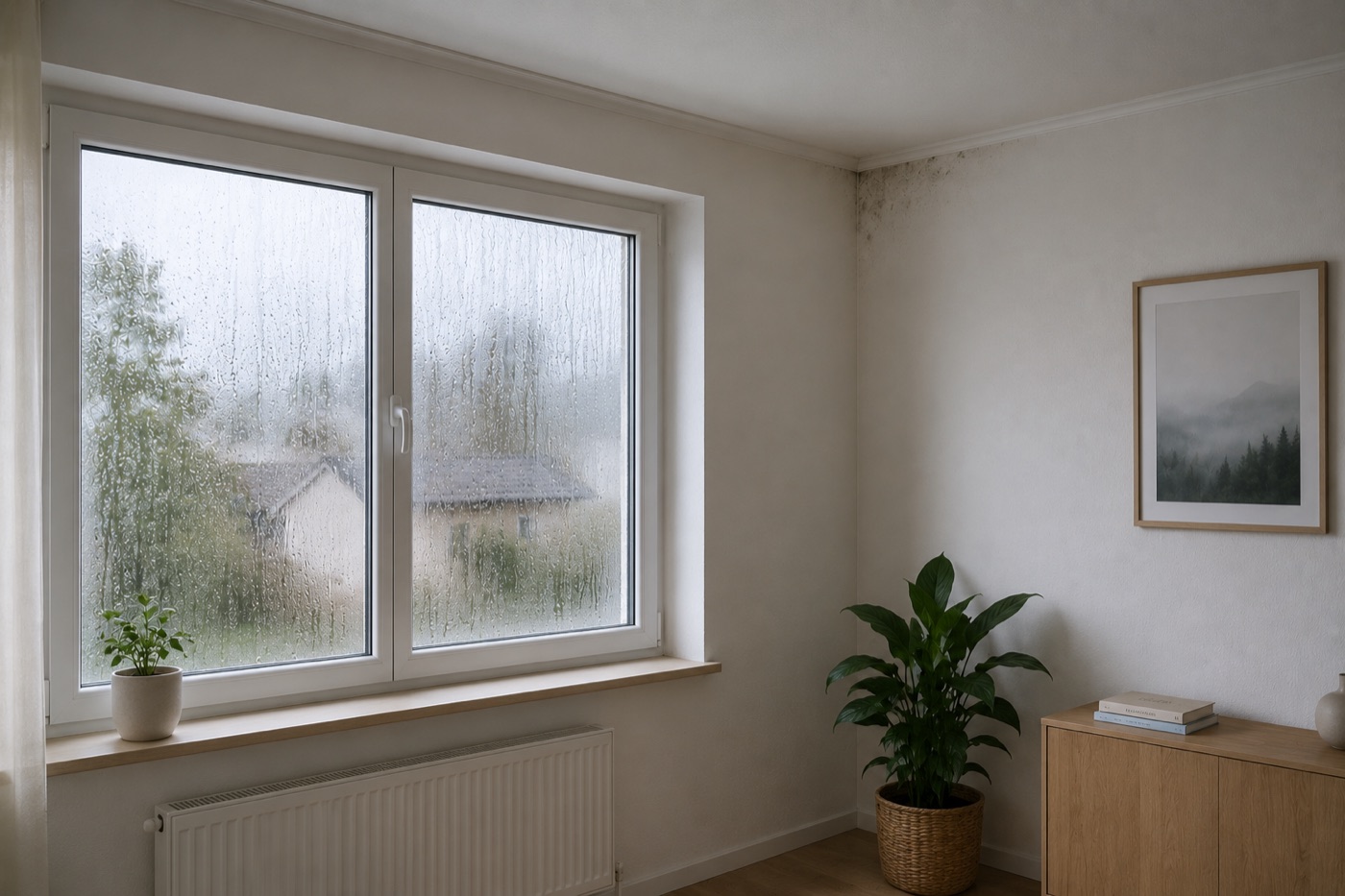
Ventilation systems and air exchange - what do you need to know?
Good indoor air quality is one of the most important conditions for a healthy and comfortable building. Although many people only notice the problem when condensation forms on windows or the air becomes stuffy, inadequate air exchange can affect health, well-being and the condition of buildings…
Read the article →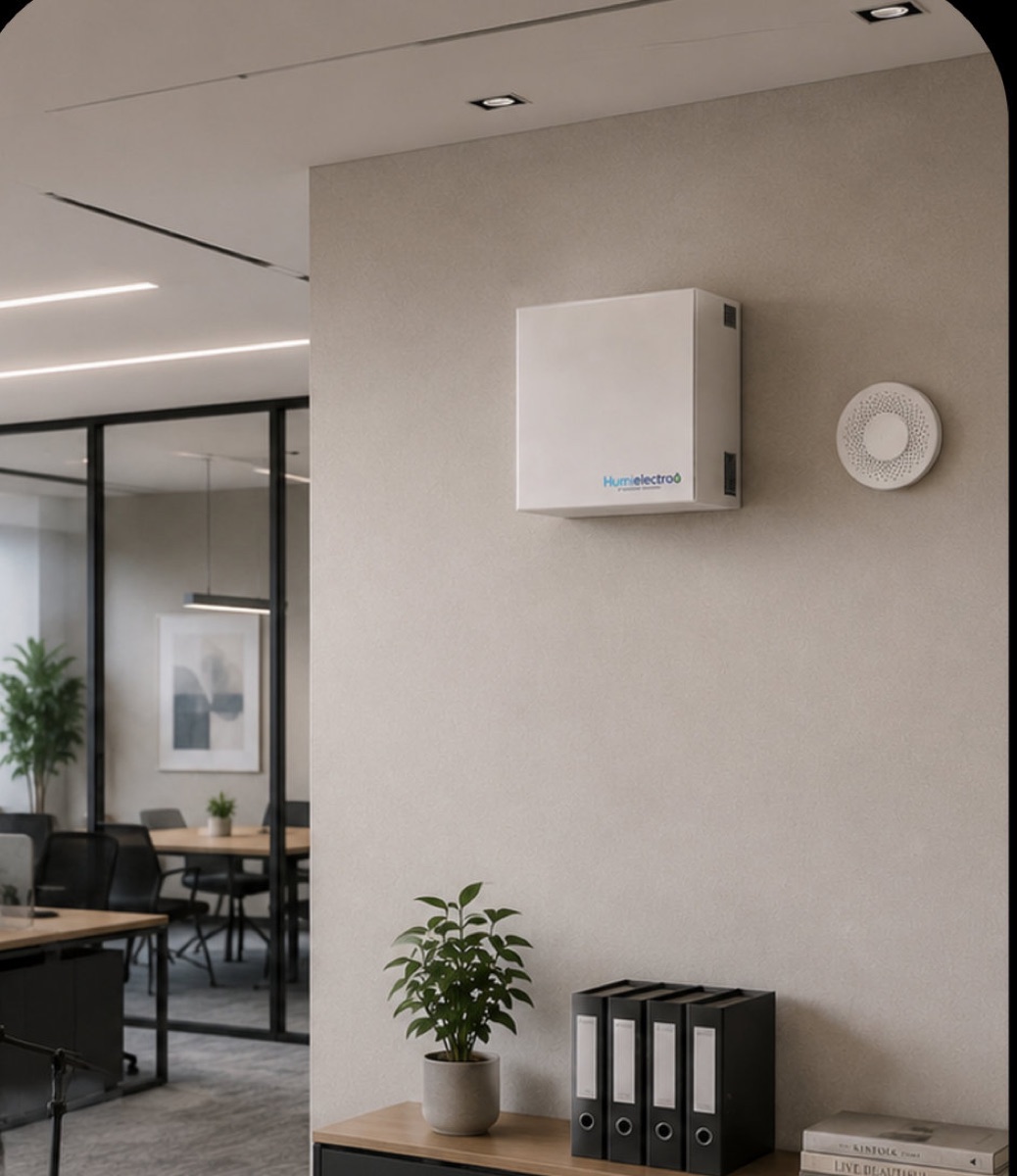
Single-room ventilation units – a simple route to fresher, healthier indoor air
Single-room ventilation units are small ventilation devices installed directly in an external wall that renew the indoor air with heat recovery – without ductwork or major construction work. We look at how they work, where they suit best and what to bear in mind...
Read the article →
How does air quality affect your health?
The air we breathe has a direct effect on our health and well-being. Poor air exchange can cause a build-up of carbon dioxide (CO₂), dust, moisture and other pollutants in the indoor air.
See Health →Get in touch with us today
We help you find the right solution and the best offer at a price that suits you.